Mission
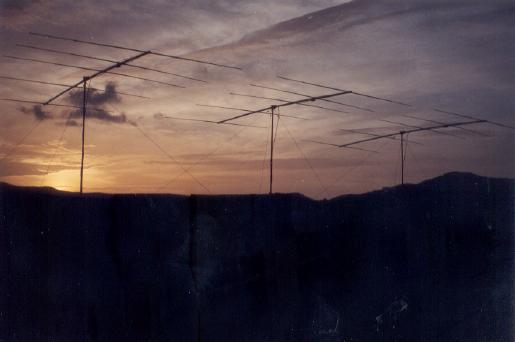
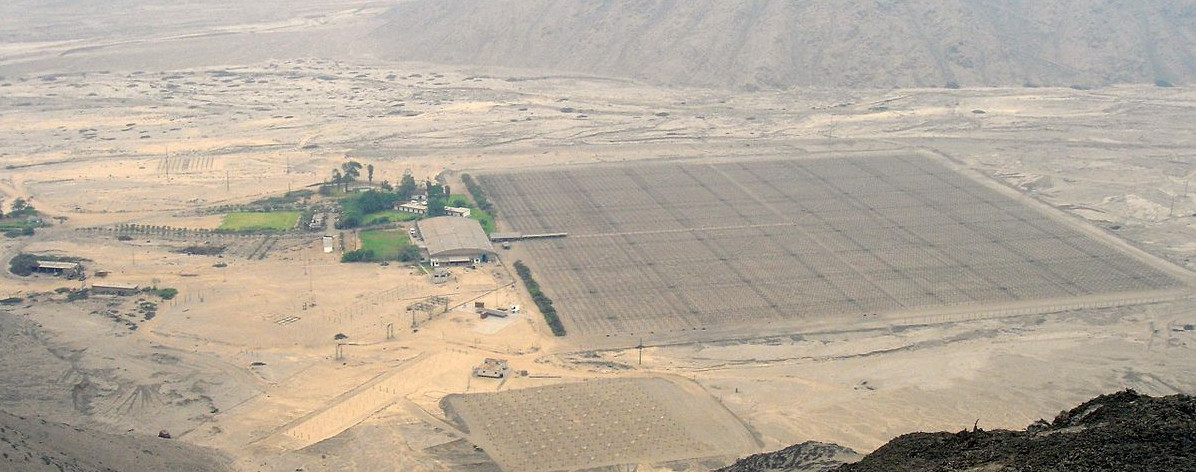
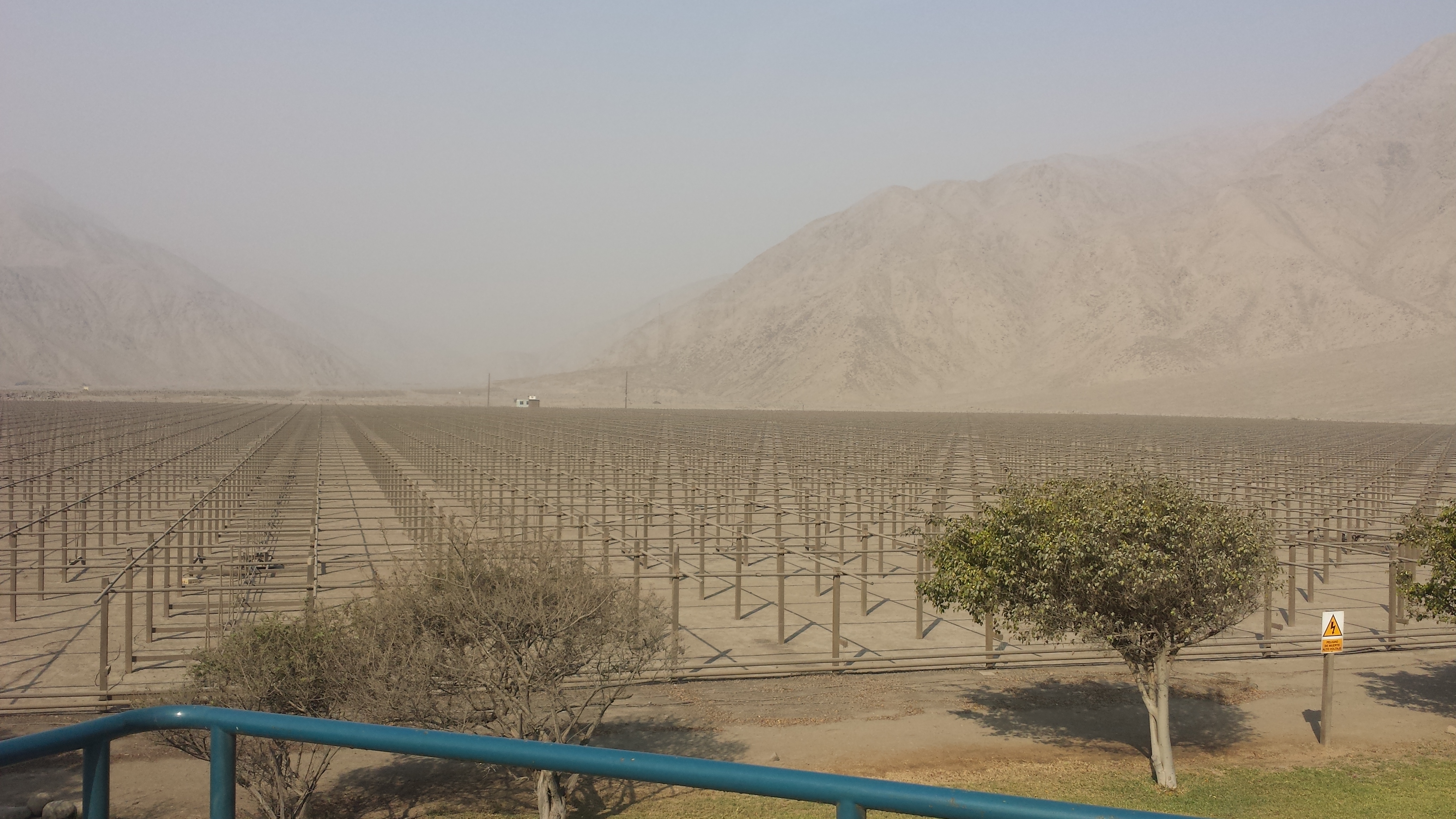
We study the Earth's upper atmosphere and ionosphere using high power radars such as the Jicamarca Radio Observatory pictured here. We also build and deploy coherent scatter radars and other radar and radio instruments around the globe. One goal of our research is an understanding of the physics of plasma irregularities and instabilities in the low-, mid-, and high-latitude ionosphere through observation, analysis, and numerical simulation. Another is the development of new signal processing methods such as are involved in aperture synthesis radar imaging. Finally, we seek to understand the composition, energetics, and dynamics of the ionosphere and the systems coupled to it.
API ionospheric modification experiments
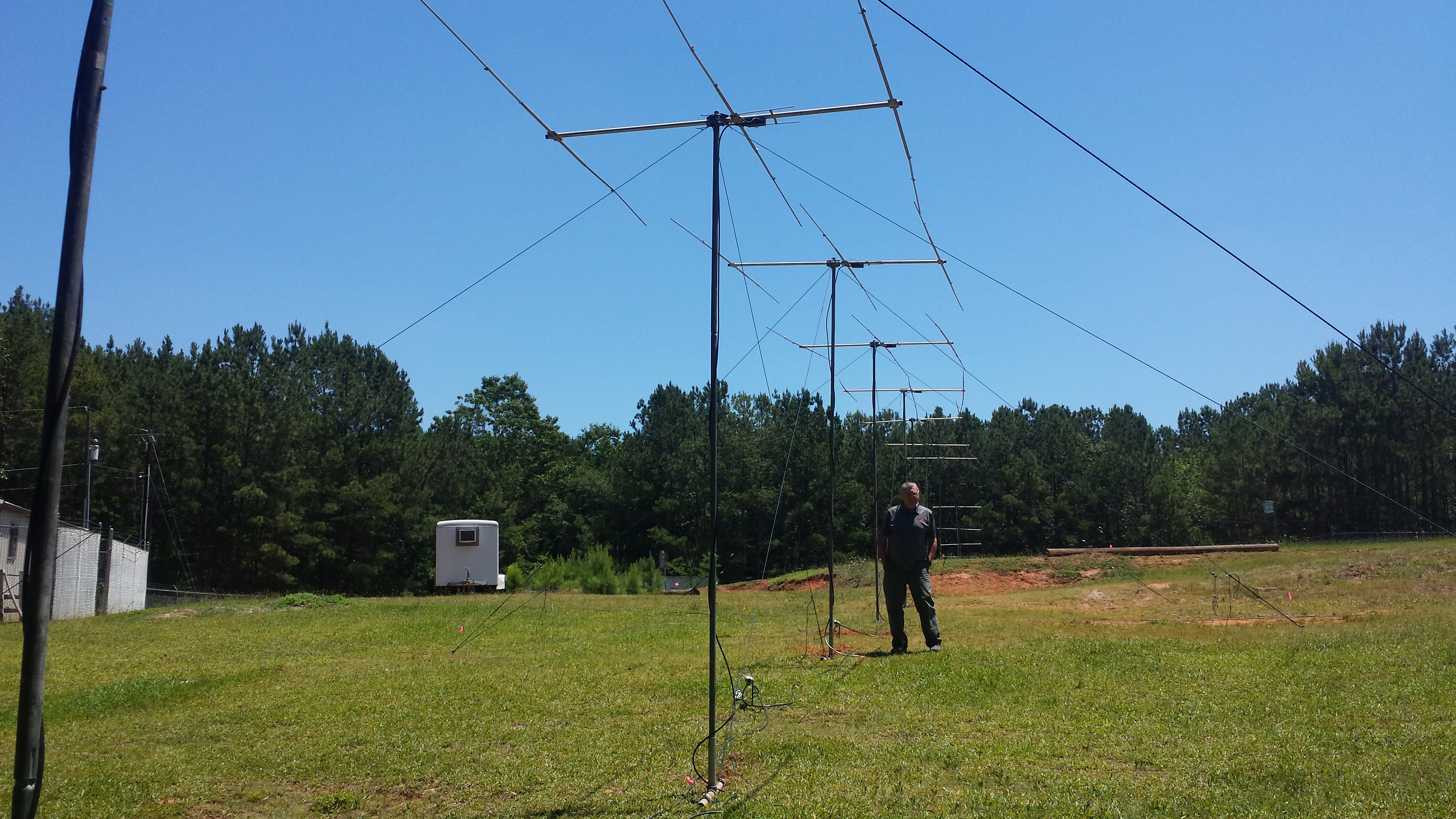
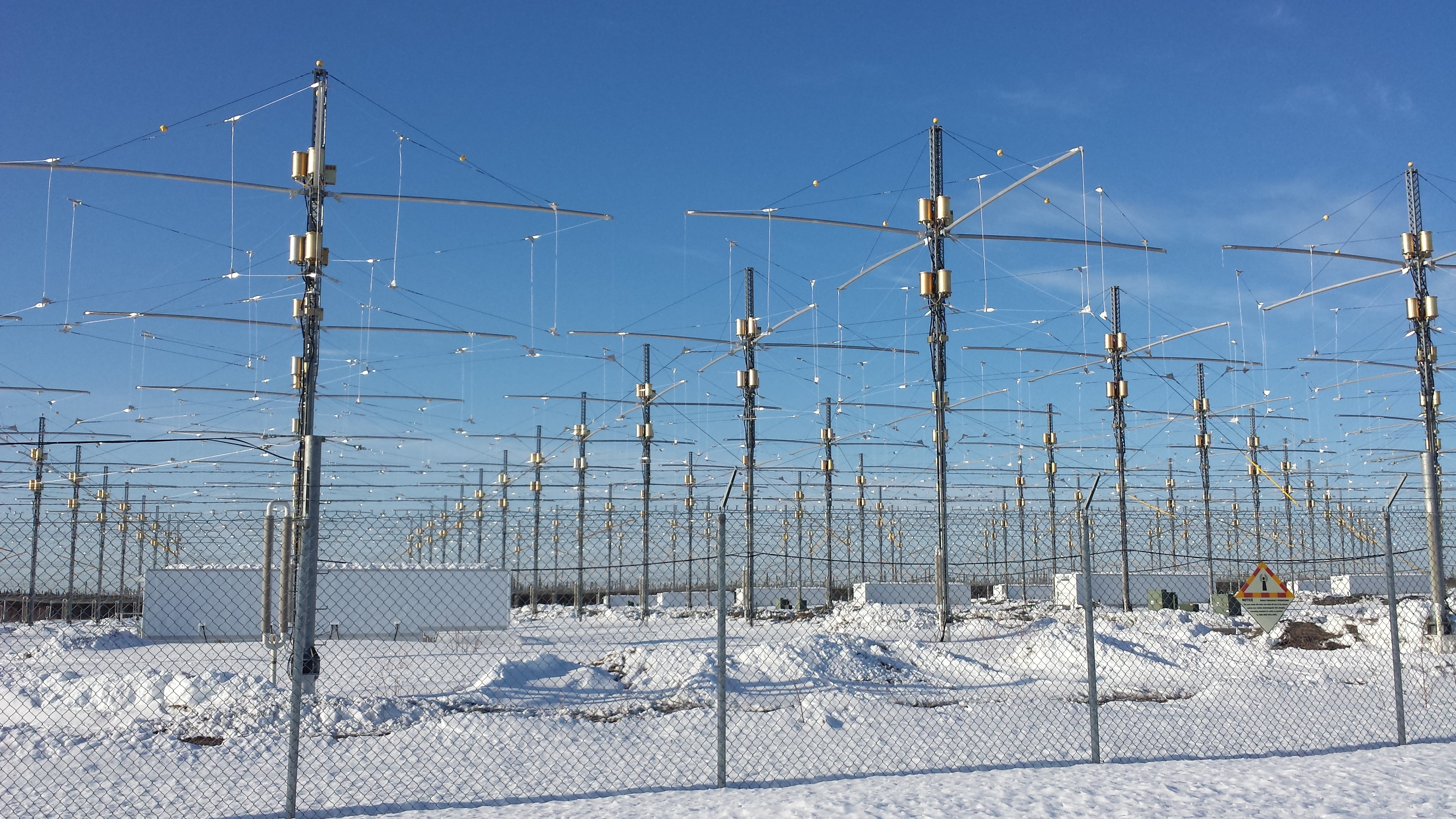
Artificial Periodic Inhomogeneities (APIs) in the D-, E-, and F-region ionosphere have been generated using high-power radio waves which are also used to detect the irregularities. The irregularities are generated in the different ionospheric layers, respectively, by temperature-dependent chemistry, thermal forcing, and the pondermotive force. A numerical model was able to reproduce the observed irregularity features including their decay times which are diagnostic of different mechanisms and parameters in the upper atmosphere.
NASA Peru sounding rocket campaign (Cielo)
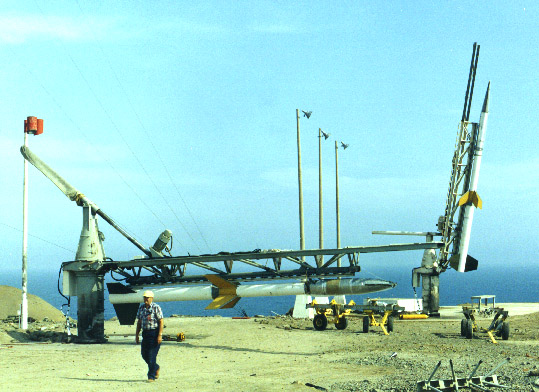
NASA is planning a rocket campaign (called 'Cielo' or 'sky' in Spanish) from the Punta Lobos rocket range near Lima, Peru. The campaign is nominally scheduled for the spring or fall of 2028. The purpose is to investigate important, contemporary problems in equatorial aeronomy, space physics, and space weather. The site was chosen primarily due to its proximity to both the magnetic equator and the Jicamarca Radio Observatory with supporting clusters of instruments deployed in the region.
Jicamarca 60th Anniversary Workshop
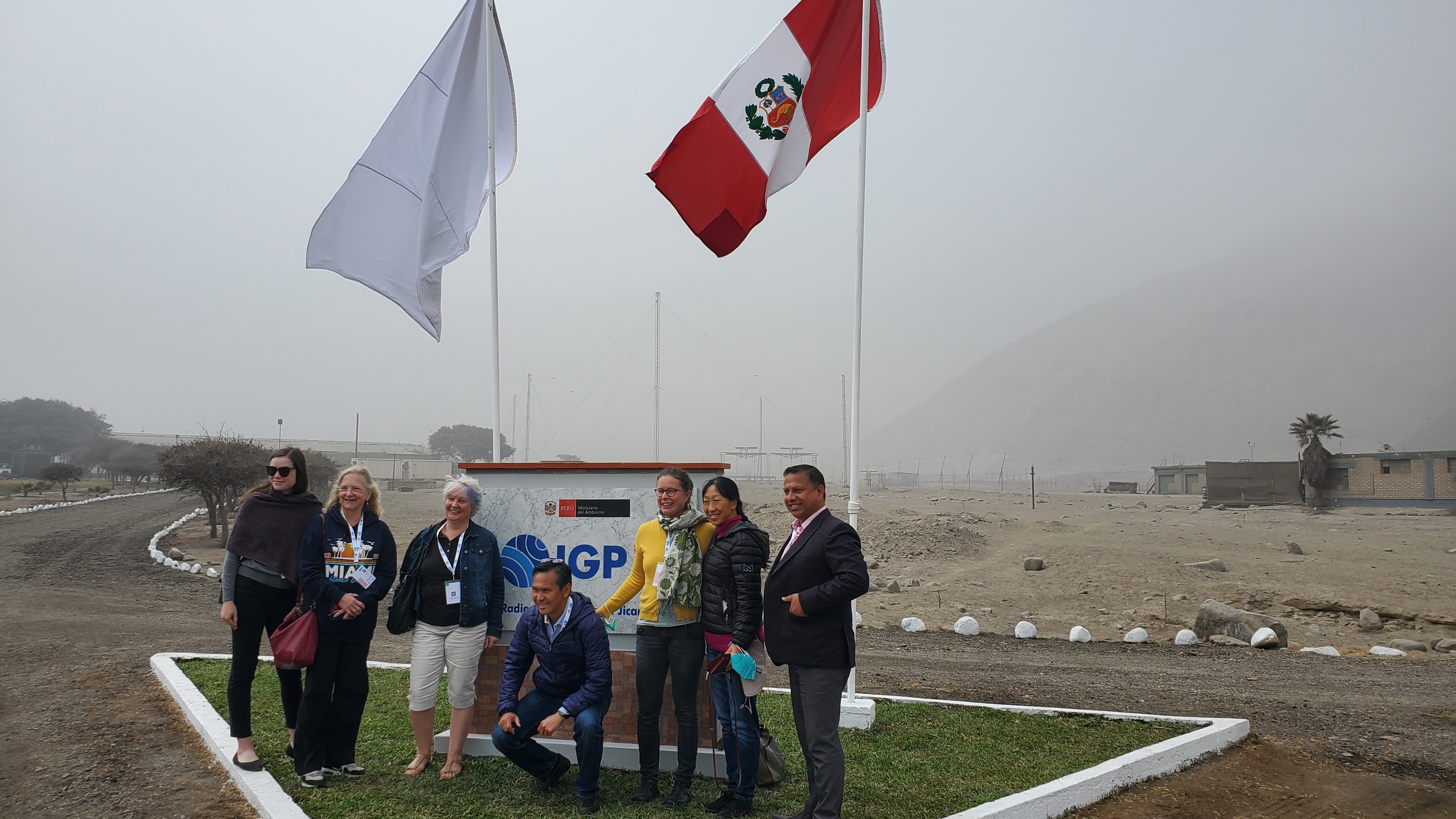
A worhshop was held in July, 2022, to celebrate the 60th anniversary of the Jicamarca Radio Observatory. The workshop was attended by scientists and engineers, including early-career scientists, from around the world. Topics included distributed sensors, MLT-X research, ionospheric instabilities and irregularities, incoherent scatter, equatorial aeronomy, and radar technology, innovations from Peru in particular. Prof. Cesar La Hoz gave a keynote presentation on the history of the facility and its early contributions. Plans for the future of the facility, including a slate of important upgrades, were presented (see also this article). A workshop report is here.
Facilities workshop 2021
This online workshop will conduct interactive discussions to define a vision that incorporates community views on the most important objectives for future incoherent scatter (IS) radar facilities and to develop a strategy for pursuing them. The ultimate goal of this workshop is to generate a draft program plan for delivery to U.S. NSF Geospace leadership and the forthcoming US NASEM Decadal Survey. The plan will address key scientific and technical aspects of future IS radar facilities, including those key scientific frontier areas where IS radar techniques and observations are essential for progress. The plan will also discuss the ways future facilities could combine multiple different types of radio and radar observations to address a broad portfolio of scientific investigations.

Too WINDY
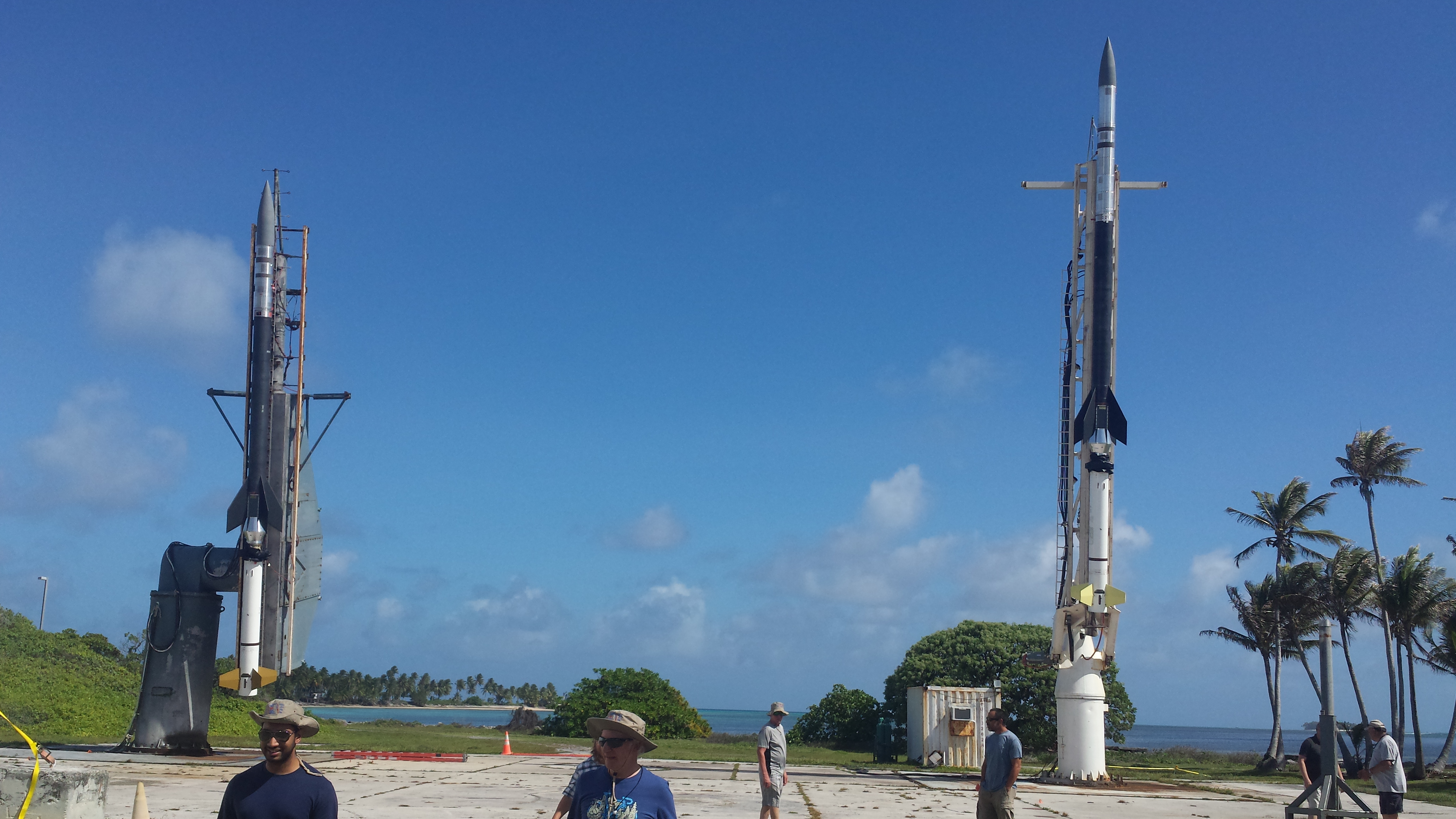
The NASA Too WINDY mission from Kwajalein Atoll saw the launch of two sounding rockets designed to study the stability of the postsunset equatorial F-region ionosphere and the implications for radio communication, navigation, and imaging systems which can be impaired by plasma density irregularities created during periods of instability.
Gyroline echoes
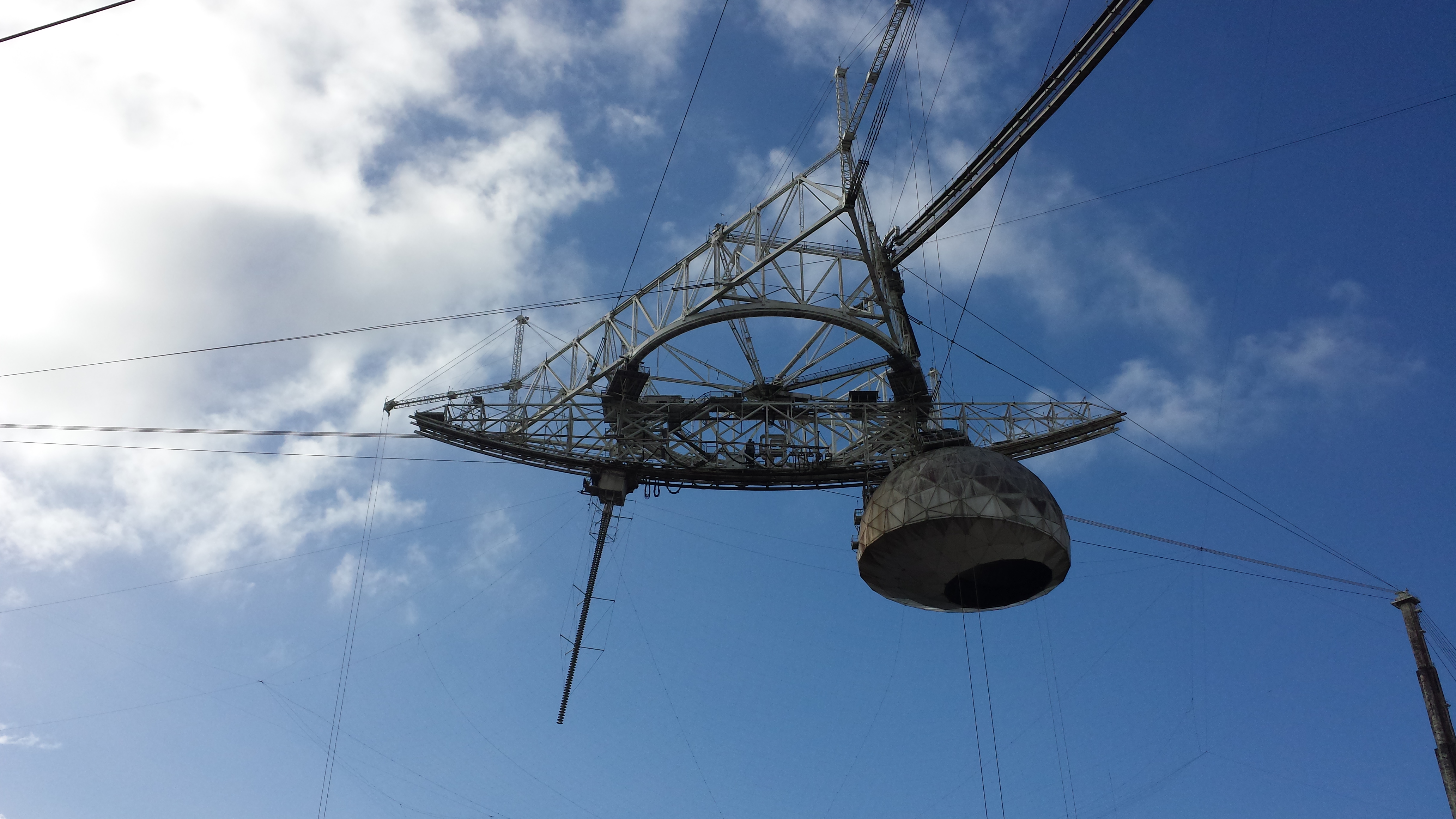
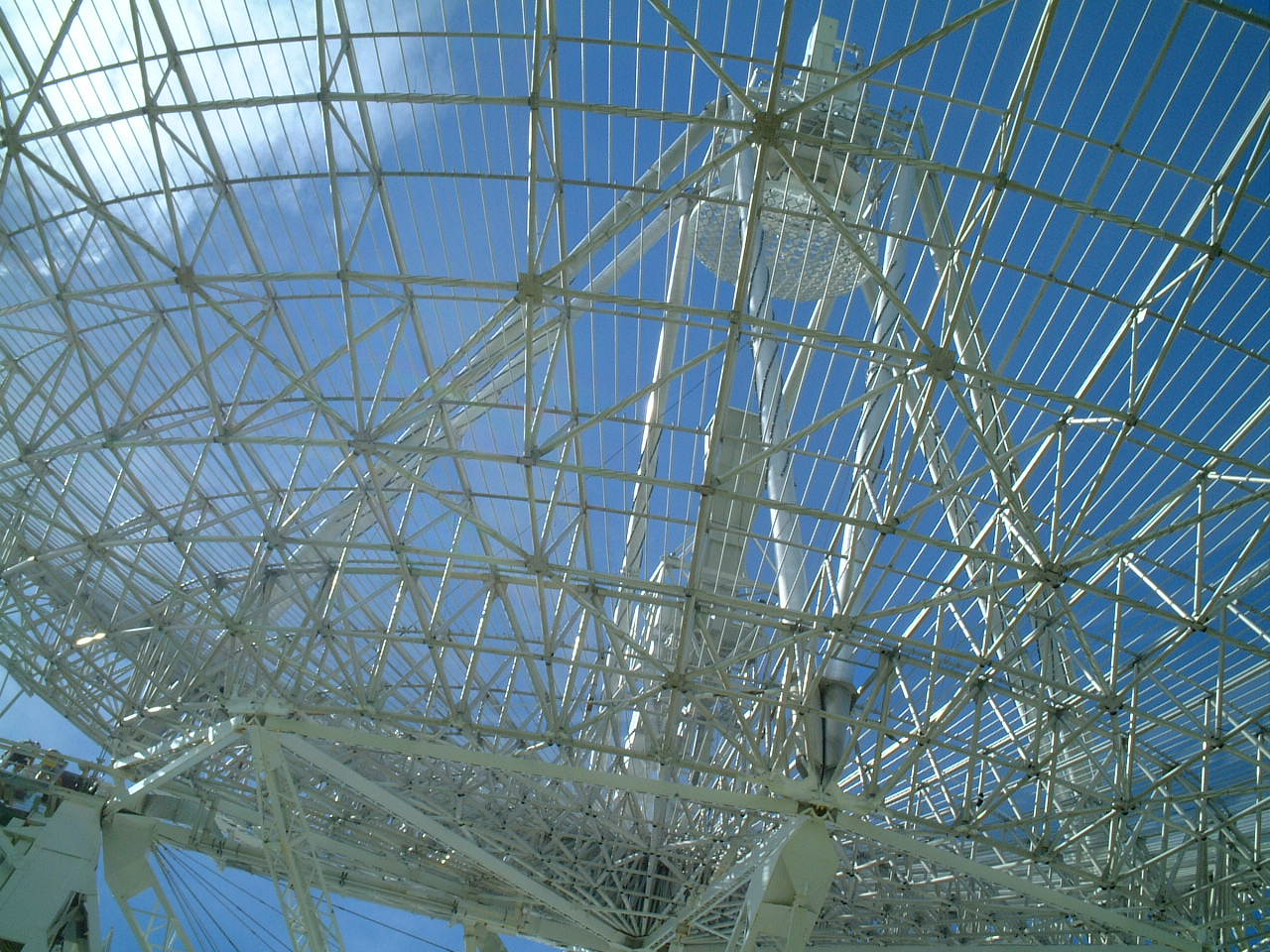
Range-resolved incoherent scatter gyro lines have been observed at the Arecibo Radio Observatory using a novel analysis technique. Echo characteristics were found to be consistent with full incoherent scatter theory which cannot be approximated readily at middle magnetic latitudes. An Eos spotlight describing the project can be read through the link below.
High-altitude observations
High-altitude radar measurements have been resumed at the Jicamarca Radio Observatory, continuing a line of research begun 50 years ago. The measurements reveal the structure of the equatorial plasmasphere and the variability during solar and geomagnetic storms. The goal is to make regular measurements of the plasmasphere up to 10,000-km altitude. Read more about the high-altitude investigation in the Eos spotlight here.
Space weather research
Our research group focuses on space weather which disrupts the ionosphere and magneosphere, interfering with radio-based communication, navigation, and imaging systems and posing a hazard. A recent article describing some of the components of our research can be found here. A new project supported by AFOSR involves using a numerical simulation of the equatorial ionosphere to forecast disruptive events. That project is summarized here here.
Radar workshop
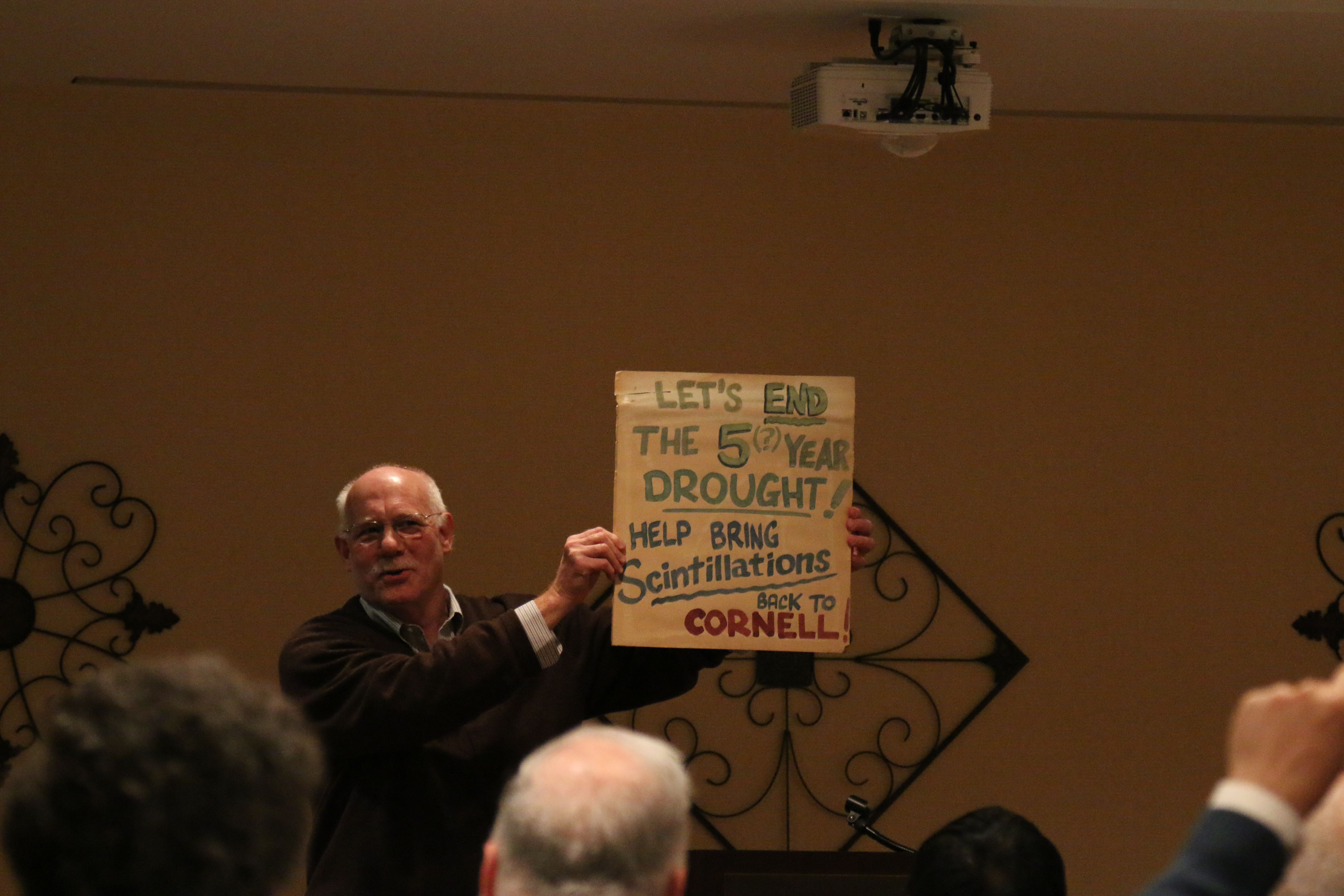
A workshop was convened at Cornell University during spring break from March 30 -- April 1, 2015, to honor (belatedely) Professor Donald Farley on the occasion of his 80th birthday and to consider the future of radio and space physics research. About 60 scientists from North America, South America, and Europe attended. The final workshop program is still available. Photos of the workshop are hosted at this site (thanks Craig). We have also produced a workshop report which is available through the link below.
Errata
Errata for "Antennas and Radar for Environmental Scientists and Engineers" is here .
Contact
[D. L. Hysell] | [ xhtml ]
| [ css ] | © 2021
EAS
Engineering
Cornell
Data
Number of visitors
to this site
since 9/22/2002:
27185